
Addressing Anti-Indigenous Racism in Healthcare
About this Seminar
This presentation explores how Indigenous-led Cultural Humility Training, Anti-Discrimination Response Training and Honouring Her Spark Workshops create a journey of Reconciliation that moves participants from foundational awareness to systemic change. Participants will learn about how they can improve clinical outcomes through increased understanding of colonial harms and systemic barriers to care for Indigenous people. This presentation will address how organizations can build respectful and inclusive relationships while directly supporting the Truth and Reconciliation Commission’s 94 Calls to Action and the Missing and Murdered Indigenous Women (MMIW) Calls for Justice by practicing anti-Indigenous racism skills, tools and interventions. Our aim is to amplify urban Indigenous voices, deepen understanding of Indigenous realities and promote Reconciliation.
By embedding cultural humility into professional practice, we aim to reduce health disparities, build trust, and promote culturally safe care that empowers both patients and providers. The training is not just a response to calls for action—it is an essential step toward reshaping healthcare to respect and integrate Indigenous lives, cultures, and histories.
Presenters
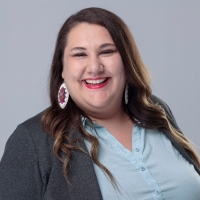
Program Director
Program Facilitator
About Alicia Buckley
Program Director
Alicia Buckley is a member of the Buffalo River Dene Nation and an urban Indigenous woman. She earned her degree at the University of Saskatchewan in Regional and Urban planning and has a passion for engaging the community, building stronger communities and community development. Not only has Alicia emerged as an anti-racism and anti-oppression practitioner by being inspired by her mother, she is honoured to help build the Indigenous profile in Saskatchewan while working along side the wonderful team at Aboriginal Friendship Centres of Saskatchewan as the Program Director. While in this role, she worked to gather the voices of Indigenous women and 2SLGBTQ+ in the first Indigenous Women’s Economic Framework, now being implemented. Being humbled by the voices of Saskatchewan’s Indigenous women, 2SLGBTQ_ and communities, she hopes to engage with those across turtle island on issues related to urban Indigenous peoples through AFCS and other volunteer opportunities associated. She hopes to instill her passions for urban Indigenous issues in her two daughters.